When work, school pickup, and the grocery store are miles apart, “drive less” is not much of a plan. California regular gas averaged $6.04 a gallon on September 16, 2026, according to AAA figures. Here are ways to spend less on trips you cannot avoid, replace the occasional drive, and find help when the tank and the budget are both empty.
Spend less on the gas you have to buy
Compare prices along your usual route. A price-comparison app such as GasBuddy shows prices other drivers have reported at nearby stations. Look before leaving home, and check how recently the price was reported. Confirm the price at the pump before paying.
Search near work and regular errands, too. A cheaper station across town is less useful if getting there uses up the savings. Compare the price for the payment method you actually use.
Check warehouse gas without buying another bill. If you already belong to a warehouse club, compare its gas price with nearby stations. Costco gas stations are for members only. Include the drive and the likely wait when deciding whether to stop.
If you are considering a membership only for fuel, compare the membership cost with realistic savings on your normal purchases. Do not assume the club is always cheapest.
Use grocery fuel rewards on groceries you already need. The Albertsons for U program (also used at Vons and Pavilions) lets you turn points from grocery purchases into cents off per gallon at participating stations. Discounts are capped per gallon and per fill-up, so check the current rules, participating locations, and expiration dates before counting on a discount.
Compare the grocery bill as well as the pump price. Spending extra to earn points can leave you worse off. Use rewards when they fit your shopping, not as a reason to fill the cart.
Keep the car basics simple. Check tire pressure against your vehicle’s recommended setting, usually listed on the driver’s door label or in the owner’s manual. Avoid unnecessary idling when safely parked and you do not need the engine running for cooling. These steps can reduce wasted fuel; they will not turn a long commute into a cheap one.
Drive less without wrecking your schedule
Start with a trip that has some flexibility. You do not need to redesign the entire week.
Omnitrans: consider it for a manageable local trip. Omnitrans runs local bus service in the San Bernardino Valley. A single ride is $2, and day, week, and monthly passes are available. K–12 students ride free with the county’s free-fare-for-school program, and seniors, veterans, and people with disabilities can get reduced fares. Use the trip planner to check your actual starting point, destination, and travel time.
It is worth testing when the stops are close enough and the schedule fits. Count the walk, wait, transfers, and return trip. If it puts school pickup or the start of your shift at risk, choose another trip to try. Check the current fare before leaving.
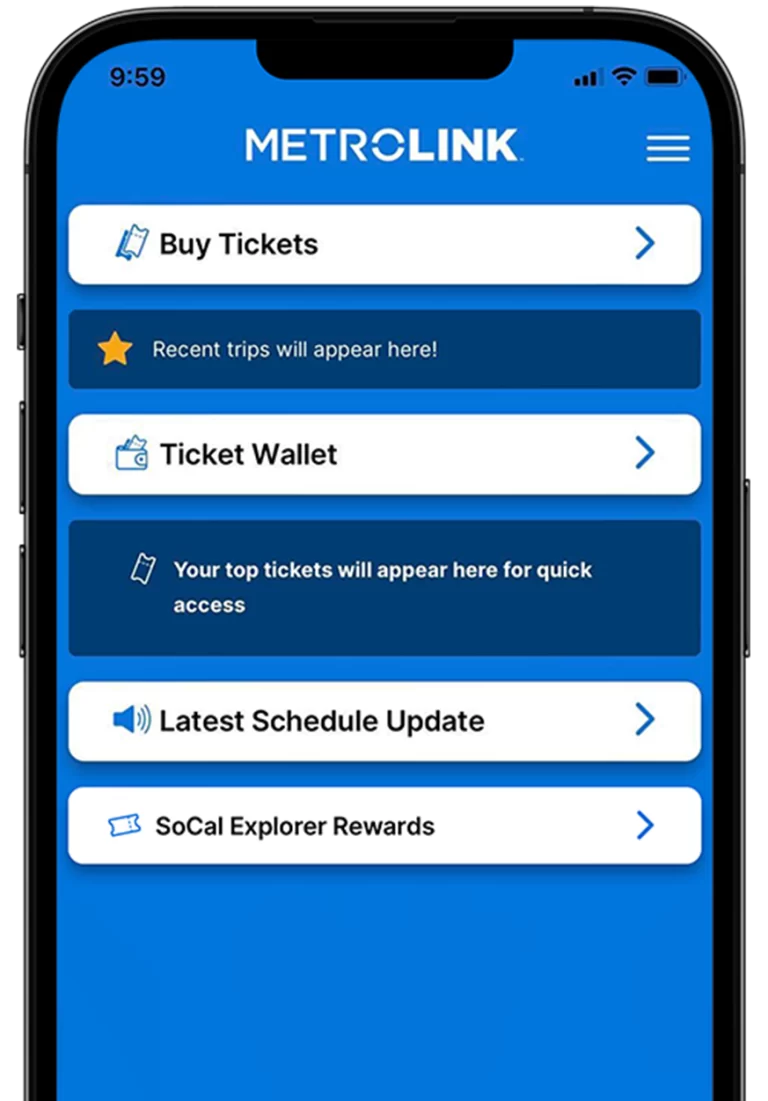
Metrolink: consider it for a longer, predictable commute. Metrolink serves Inland Empire commuters on the San Bernardino, Riverside, Inland Empire–Orange County, and 91/Perris Valley lines.
Rail makes more sense when you can reach the station easily and get from the arrival station to work without an expensive extra ride. Check both directions, service alerts, and the last usable train home. Add up the fare and any parking or connecting-trip costs.
If your end time changes without warning, the backup ride matters as much as the morning train.
IE Commuter and SoCal511: look for a workable shared ride. IE Commuter, a program of the Riverside County Transportation Commission and San Bernardino County Transportation Authority, offers free carpool and vanpool matching, rideshare incentives for new ridesharers, vanpool lease subsidies, and a Guaranteed Ride Home program for registered commuters who have an emergency. The old IE511 site now sends you to SoCal511, which also lists carpool, vanpool, and park-and-ride information.
Carpooling is worth exploring when another person’s route and work hours overlap with yours. A vanpool is a better candidate for a group making the same longer trip on a steady schedule.
Ask about current incentives before enrolling. Confirm employer participation, qualifying trips, recordkeeping, and payment timing. A possible reward should not be money you have already counted toward this week’s gas.
Agree on fuel costs, pickup times, late shifts, and what happens if someone needs to leave early. Also look at combining errands into an existing drive. The useful change is one you can repeat.
When the tank is empty and you need help now
Start with Inland SoCal 211. Dial 211 from San Bernardino or Riverside County, or visit Inland SoCal 211, for local resource referrals.
Be specific: “I have a job interview on Tuesday and cannot afford the trip. Is any agency currently offering gas cards or bus passes?”
Ask whether help is available before the appointment, what documents are required, and whether you need to enroll in another service first.
If you are job hunting, ask about workforce program support. San Bernardino County Workforce Development can provide transportation help, such as bus passes, gas cards, or mileage reimbursement, to people enrolled in its job-training and career programs who need it to take part. You generally must be enrolled first, so contact an America’s Job Center and ask a career advisor whether you qualify and what trips are covered. Do not spend your remaining fuel driving to an office without calling first.
For medical appointments, ask your Medi-Cal plan before paying for a ride. Medi-Cal plans, including IEHP and Molina, offer no-cost rides to covered appointments for their Medi-Cal members.
Don’t overlook this one. A California Health Care Foundation review found that most Medi-Cal members do not use the ride benefit, possibly because they do not know it exists. If you have been paying for every appointment trip yourself, make this the first benefit you ask about.
There are two categories. Non-medical transportation covers ordinary rides, such as a rideshare, car service, or bus pass, to covered care. Non-emergency medical transportation is specialized transportation, such as a wheelchair van, for people whose medical needs prevent ordinary travel, and it requires a form from your doctor. Despite the wording, “non-medical” transportation can take you to a medical appointment.
Call the member-services number on your insurance card, or:
- IEHP Medi-Cal: 1-800-440-4347, available 24/7. Book at least five calendar days before routine appointments. One extra passenger is allowed if you need help.
- Molina Medi-Cal: Rides are arranged through American Logistics at 1-844-292-2688, available 24/7. Book at least three business days ahead when you can.
Say, “I need transportation to a covered appointment. What can my plan arrange?” Have your member ID, appointment time, destination, and mobility needs ready. Ask whether authorization is needed and how the return ride works. If the appointment is soon, say so immediately and ask what is possible.
Visit the EvolveLyfe resource map to look for local transportation and other support. Start with the option that solves your next trip; the rest can wait.
Sources
- AAA via Contra Costa News: California gas average tops $6 a gallon
- Albertsons for U
- Omnitrans
- Metrolink schedules
- IE Commuter
- SoCal511
- Inland SoCal 211
- San Bernardino County Workforce Development
- IEHP transportation
- Molina Healthcare of California transportation
- California Health Care Foundation: Getting to Care